

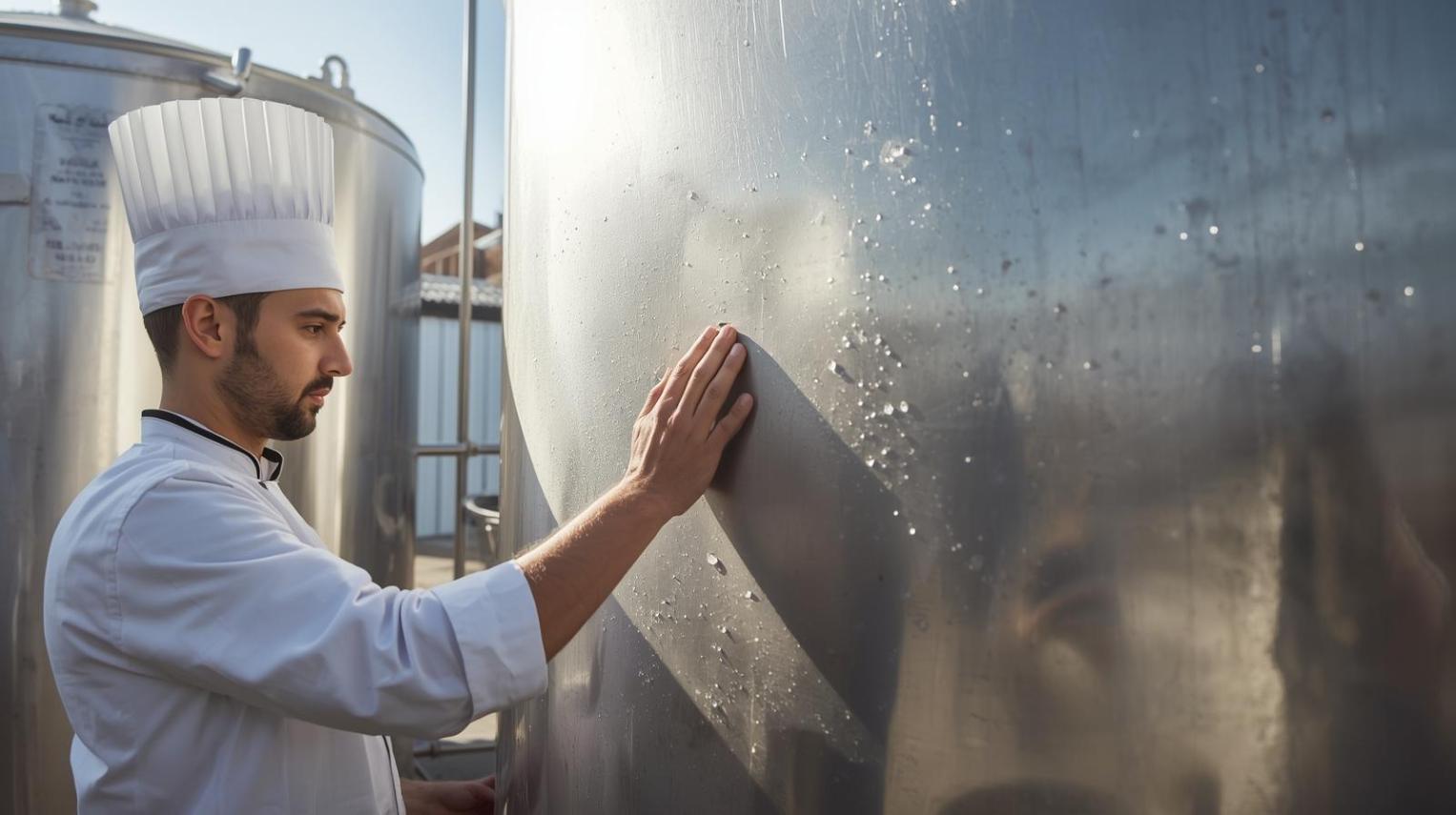
For years, Al Masa Tank Sterilization has been a trusted name in Jeddah, making sure the water that reaches restaurant kitchens is safe and clean, not only for preparing meals but also for the customers who savor them.
In the hospitality and service industry, water is either stored in the basement or in overhead tanks.
In order to keep the water free of microorganisms, sediment, and contaminants that can damage the storage tank hygiene and, most importantly, the customers, the storage tanks need to be sterilized regularly.
Steel Tanks, Clean Kitchens
The majority of hotels, cafes, and restaurants take their water from storage systems that are refilled on a daily basis. However, these systems go unused for long periods of time and pose a significant health hazard.
Without proper sterilization of the tanks, the walls and floors of the storage tanks are the ideal environment for sediment to accumulate. Tanks can become breeding grounds for algae, rust, bacteria, and other toxic microorganisms.
The sterilization of the tanks eliminates these health hazards by utilizing a series of scientifically developed procedures that include draining, scrubbing, disinfecting, rinsing, and other techniques.
The use of innovative and safe disinfecting techniques, such as UV-C, can eliminate pathogenic organisms without causing the water to taste or smell chemically.
After a tank is disinfected, the water is suitable for cooking, washing fruits and vegetables, and making beverages.
Enhancing Standards for Water Safety
In hospitality, kitchens must work under strict no-contamination policies. Water plays a key role in food safety, whether it’s washing vegetables, cooking pasta, or cleaning utensils and dishes.
Water that is contaminated with bacteria like E. coli, and biofilms from algae and rust pose serious food preparation and cross-contamination risks.
Regular tank sterilization allows restaurant managers to maintain water safety, keep the restaurant certified to food safety regulations, and assure customers that every meal was cooked with water of the highest safety standards.
ALSO READ: When the Screen Glows, the Snack Calls: How 123movies Online Shapes Midnight Food Culture
Every Pour Comes with a Reputation
Guests’ culinary experience is not only about quality food. Water that is stored in unclean tanks has a bad smell and can affect the quality of the food.
It can negatively impact the quality of sauces, soups, coffee, and ice. Restaurants that rely on proven sterilization systems not only guarantee the quality of their food but also protect their brand’s reputation.
Getting rid of unpleasant odors enhances the guest experience and shows that the kitchen upholds high standards, which is especially important in Jeddah’s competitive food scene.
Optimized Operations With Proactive Engagement
Considerable operational rewards can be gained through regular tank sterilization. Tanks that are neglected can require extensive maintenance and become service and cost liabilities.
Early maintenance will prolong the life of tank infrastructure and avert tank and water flow blockages at critical service hours.
For tank care maintenance plans that are cost-efficient and maximize care and control of communicable disease risks, and public safety are vital for hospitality professionals with a serious interest in maintaining success.
Water is the lifeblood of hospitality kitchens, and operational quality is established, built upon, and reinforced through the availability of clean, sterilized water.
This uncompromising belief means that with clean water and the highest operational standards of hospitality, businesses can serve their patrons with confidence.